Buy fundmanager.eu ?
We are moving the project
fundmanager.eu .
Are you interested in purchasing the domain
fundmanager.eu ?
domain@kv-gmbh.de · 0541-91531010
Buy fundmanager.eu ?
What is a pulley 988?
A pulley is a simple machine that consists of a wheel with a groove around its circumference and a rope or belt that runs along the groove. It is used to change the direction of a force, allowing for easier lifting or moving of heavy objects. By using multiple pulleys in a system, one can create a mechanical advantage that reduces the amount of force needed to lift an object. Pulleys are commonly used in various applications, such as elevators, cranes, and exercise equipment. **
Is a shoelace a pulley?
No, a shoelace is not a pulley. A pulley is a simple machine that consists of a wheel with a groove around its circumference and a rope or belt that runs along the groove. The purpose of a pulley is to change the direction of a force or to provide mechanical advantage. On the other hand, a shoelace is a type of cord or string used to fasten and tighten shoes. While both a pulley and a shoelace involve the use of a cord or string, they serve different purposes and have different mechanical functions. **

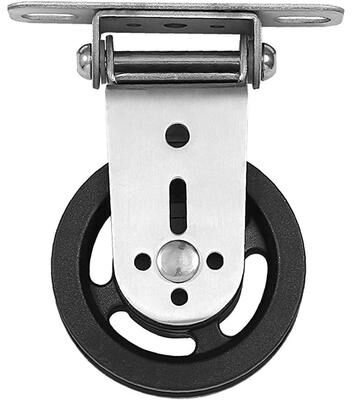
Similar search terms for Pulley
Top-Angebote
Products related to Pulley:
-
3RG 13217 Tensioner pulleyWeight [kg]: 0,444; Width [mm]: 29; Outer Diameter [mm]: 70; Vehicle Equipment: for vehicles with air conditioning, for vehicles with power steering; for RPO number from: 06629, 06779; Construction Year from: 06/1995; TecDoc Engine Number: 4269, 9868, 15310, 16789, 10708, 12829, 33717; for RPO number up to: 1076723,49 £*Shipping: 8,45 £Secure redirect to the provider
-
DAYCO DPV1123 Crankshaft pulleyBelt Pulley Ø [mm]: 143,2; Height 1 [mm]: 20,1; Height 2 [mm]: 41,6; Weight [kg]: 1,5; Construction Year to: 10/2009, 12/2009, 11/2017; Vehicle Equipment Line/Trim Level: >1009 , CAYB, 0903> , 1ZAH, DPV, Ch 7M-4-015 001>, Ch 3B-5E170001>, 0501> , ARL, 0903> , ASZ ,, 0503> , AVB ,, 1003> , ASZ ,, Ch7M-4-015001>11/05, 0305> , AXB, 0305> , AXC, ASZ Mtr.435, BNABRF # >08, >0809 , CAGB, 0310> , >0809 , M, CKFCCRBCDFGA, >1009 , CAYA, >1009 , CAYC, >1209 , CAYC, >1209 , CAYB, CRBCCRLBCRUA, CRBCCRLBDEJA, CKFCCRBCDCYA, CRLBDEJADFGA, >1117 , CRVA, CKFCDCYADFFA, CRBCDCYADFGA, DSRADSRBDTSB, DBGCDFGA, DNAD, DAUA, DAVA, >1117 , CRGB, DNAD , MC UYB, DNAD MC UYB, DAUA , MC UYB, DAUA MC UYB, DAVA , MC UYB, DAVA MC UYB, DNAD , MC UZB, DAUA , MC UZB, DAUA , MC UZI, DAVA , MC UZB, DAVA , MC UZT, DFFA, CRGA, DAUA MC UZI, DAVA , MC UZI, CXEC , MC SHB, DNAD , MC UYI, DAUA , MC UYI, DAVA , MC UYI, CXEC , MC SHA, CXHC -AC, CXGDDNAC , 18, CXEC -AC, DSRBDTSADTSB, 0903> , AHUA, DTTC, DAUADNAE # Mt, CXEC MC SHC, AXC, DXNB, DXPB, DXPA, DZLA; for OE number: 04L105243, 3M216B320AA, 4L105243; Construction Year from: 09/2003, 05/2001, 05/2003, 10/2003, 03/2005, 03/2010; Vehicle Identification Number (VIN) from: 8L-31222-001, 1-U-38684073, 1U-3-726 897, 7M-4-015 001, 3B-5E170001, 1J_4W040 232, 1J_4U001 139, 1J_4D008 312, 8E_3_410 001, 7M_4_015 001, 7M_4_507 001; Engine Code: ASV, ALH, AWX, CRLB/CRMB, CLHB/CRKA/CXXA, CRBC/CRLB/CRUA, DFGA, CRBC/CRLB/DEJA, CKFC/CRBC/DCYA, CRLB/DEJA/DFGA, CKFC/DCYA/DFFA, CRBC/DCYA/DFGA, DFTA, CRLB/DFGA/DSRA, CUUF/DFSF, CUUB/DFSB, CUUB, CRLB/DFGA, CRKB/CXXB, DTSB, DNAD, DAUA, DAVA, CRGA, CRMB, DTTA/DTTC, DSTA/DSTB/DTTA, DTTC, DXNB, DXPA; Engine Number from: 435 001; Vehicle Equipment: for vehicles with electr. auxiliary heater, for vehicles without air conditioning62,99 £*Shipping: 8,45 £Secure redirect to the provider
-
DAYCO DPV1176 Crankshaft pulleyBelt Pulley Ø [mm]: 145,0; Height 1 [mm]: 25,0; Height 2 [mm]: 35,0; Weight [kg]: 1,8; Construction Year from: 09/2010; Vehicle Equipment Line/Trim Level: 0910> , G9U63, G9U750 -AC, DPV, G9U632G9U750, -AC >Mtr 100910; for OE number: 1230300QAL, 8200267867; Vehicle Equipment: for vehicles without air conditioning; Engine Number to: 10091077,49 £*Shipping: 8,45 £Secure redirect to the provider


-
What is a pulley system?
A pulley system is a simple machine that consists of a wheel with a groove around its circumference and a rope or belt that runs along the groove. It is used to lift or move heavy objects by applying force to one end of the rope while the object is attached to the other end. The pulley system allows for the force to be distributed and redirected, making it easier to lift heavy loads. It is commonly used in various applications such as construction, transportation, and mechanical systems. **
-
Why does the pulley squeak?
The pulley may squeak due to lack of lubrication. Over time, the moving parts of the pulley can become dry and start to rub against each other, causing friction and the squeaking sound. Additionally, dirt and debris can accumulate in the pulley, further contributing to the squeaking noise. Regular maintenance and lubrication can help prevent the pulley from squeaking. **
-
What is a pulley in physics?
In physics, a pulley is a simple machine that consists of a wheel with a groove around its circumference and a rope or belt that runs along the groove. Pulleys are used to change the direction of a force, allowing for easier lifting or pulling of heavy objects. They can also be used to provide mechanical advantage, allowing a smaller force to lift a larger weight. Pulleys are commonly used in various applications, such as elevators, cranes, and exercise equipment. **
-
Which tangible assets for investment?
Tangible assets for investment can include real estate properties, such as residential or commercial buildings, land, or rental properties. Other tangible assets may include precious metals like gold and silver, artwork, collectibles, or even vintage cars. These assets have the potential to appreciate in value over time and can provide a source of passive income through rental yields or capital appreciation upon resale. It is important to carefully research and evaluate the market conditions and potential risks associated with each type of tangible asset before making an investment decision. **

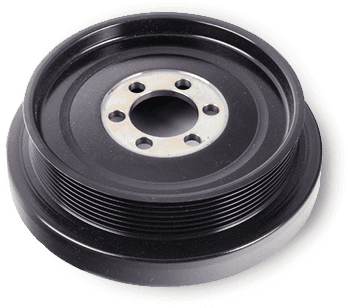
What is the difference between a loose pulley, a fixed pulley, and a block and tackle?
A loose pulley is a pulley that is free to move along the shaft it is mounted on, while a fixed pulley is stationary and does not move. A block and tackle is a system of pulleys that are used together to provide mechanical advantage, allowing a person to lift a heavy load with less effort. The main difference between these three types of pulleys is their functionality and how they are used in different mechanical systems. **
How much does the pulley system weigh?
The pulley system weighs approximately 15 pounds. This weight includes the pulleys, ropes, and any other components of the system. The weight of the pulley system is important to consider when determining the load capacity and the amount of force required to operate the system. **
Top-Angebote
Products related to Pulley:
-
Smart Shopping Spot Home Gym Pulley System Cable Pulley Machine With Tricep Pulley Attachment For Full Upper Body Training Home Gym Pulley System Cable Pulley Machine With Tricep Pulley Attachment For Full Upper Body TrainingExperience smooth, effective strength training without leaving home. This Home gym pulley system is designed for fitness enthusiasts who want to build muscle, improve endurance, and maximize every workout. Whether you're targeting your back, arms,...109,97 $*Shipping: 0,00 $Secure redirect to the provider
-
Clever Finds Heavy Duty Gym Pulley Wheel Cable Pulley Bearing Roller nylonUpgrade your setup with smoother movement and dependable cable guidance. This 1 pc of gym pulley wheel uses a bearingassisted roller design to help cables and ropes travel with less resistance. Its detachable construction makes installation,...129,97 $*Shipping: 0,00 $Secure redirect to the provider
-
3RG 13217 Tensioner pulleyWeight [kg]: 0,444; Width [mm]: 29; Outer Diameter [mm]: 70; Vehicle Equipment: for vehicles with air conditioning, for vehicles with power steering; for RPO number from: 06629, 06779; Construction Year from: 06/1995; TecDoc Engine Number: 4269, 9868, 15310, 16789, 10708, 12829, 33717; for RPO number up to: 1076723,49 £*Shipping: 8,45 £Secure redirect to the provider
-
What is a pulley 988?
A pulley is a simple machine that consists of a wheel with a groove around its circumference and a rope or belt that runs along the groove. It is used to change the direction of a force, allowing for easier lifting or moving of heavy objects. By using multiple pulleys in a system, one can create a mechanical advantage that reduces the amount of force needed to lift an object. Pulleys are commonly used in various applications, such as elevators, cranes, and exercise equipment. **
-
Is a shoelace a pulley?
No, a shoelace is not a pulley. A pulley is a simple machine that consists of a wheel with a groove around its circumference and a rope or belt that runs along the groove. The purpose of a pulley is to change the direction of a force or to provide mechanical advantage. On the other hand, a shoelace is a type of cord or string used to fasten and tighten shoes. While both a pulley and a shoelace involve the use of a cord or string, they serve different purposes and have different mechanical functions. **
-
What is a pulley system?
A pulley system is a simple machine that consists of a wheel with a groove around its circumference and a rope or belt that runs along the groove. It is used to lift or move heavy objects by applying force to one end of the rope while the object is attached to the other end. The pulley system allows for the force to be distributed and redirected, making it easier to lift heavy loads. It is commonly used in various applications such as construction, transportation, and mechanical systems. **
-
Why does the pulley squeak?
The pulley may squeak due to lack of lubrication. Over time, the moving parts of the pulley can become dry and start to rub against each other, causing friction and the squeaking sound. Additionally, dirt and debris can accumulate in the pulley, further contributing to the squeaking noise. Regular maintenance and lubrication can help prevent the pulley from squeaking. **
Similar search terms for Pulley
-
DAYCO DPV1123 Crankshaft pulleyBelt Pulley Ø [mm]: 143,2; Height 1 [mm]: 20,1; Height 2 [mm]: 41,6; Weight [kg]: 1,5; Construction Year to: 10/2009, 12/2009, 11/2017; Vehicle Equipment Line/Trim Level: >1009 , CAYB, 0903> , 1ZAH, DPV, Ch 7M-4-015 001>, Ch 3B-5E170001>, 0501> , ARL, 0903> , ASZ ,, 0503> , AVB ,, 1003> , ASZ ,, Ch7M-4-015001>11/05, 0305> , AXB, 0305> , AXC, ASZ Mtr.435, BNABRF # >08, >0809 , CAGB, 0310> , >0809 , M, CKFCCRBCDFGA, >1009 , CAYA, >1009 , CAYC, >1209 , CAYC, >1209 , CAYB, CRBCCRLBCRUA, CRBCCRLBDEJA, CKFCCRBCDCYA, CRLBDEJADFGA, >1117 , CRVA, CKFCDCYADFFA, CRBCDCYADFGA, DSRADSRBDTSB, DBGCDFGA, DNAD, DAUA, DAVA, >1117 , CRGB, DNAD , MC UYB, DNAD MC UYB, DAUA , MC UYB, DAUA MC UYB, DAVA , MC UYB, DAVA MC UYB, DNAD , MC UZB, DAUA , MC UZB, DAUA , MC UZI, DAVA , MC UZB, DAVA , MC UZT, DFFA, CRGA, DAUA MC UZI, DAVA , MC UZI, CXEC , MC SHB, DNAD , MC UYI, DAUA , MC UYI, DAVA , MC UYI, CXEC , MC SHA, CXHC -AC, CXGDDNAC , 18, CXEC -AC, DSRBDTSADTSB, 0903> , AHUA, DTTC, DAUADNAE # Mt, CXEC MC SHC, AXC, DXNB, DXPB, DXPA, DZLA; for OE number: 04L105243, 3M216B320AA, 4L105243; Construction Year from: 09/2003, 05/2001, 05/2003, 10/2003, 03/2005, 03/2010; Vehicle Identification Number (VIN) from: 8L-31222-001, 1-U-38684073, 1U-3-726 897, 7M-4-015 001, 3B-5E170001, 1J_4W040 232, 1J_4U001 139, 1J_4D008 312, 8E_3_410 001, 7M_4_015 001, 7M_4_507 001; Engine Code: ASV, ALH, AWX, CRLB/CRMB, CLHB/CRKA/CXXA, CRBC/CRLB/CRUA, DFGA, CRBC/CRLB/DEJA, CKFC/CRBC/DCYA, CRLB/DEJA/DFGA, CKFC/DCYA/DFFA, CRBC/DCYA/DFGA, DFTA, CRLB/DFGA/DSRA, CUUF/DFSF, CUUB/DFSB, CUUB, CRLB/DFGA, CRKB/CXXB, DTSB, DNAD, DAUA, DAVA, CRGA, CRMB, DTTA/DTTC, DSTA/DSTB/DTTA, DTTC, DXNB, DXPA; Engine Number from: 435 001; Vehicle Equipment: for vehicles with electr. auxiliary heater, for vehicles without air conditioning62,99 £*Shipping: 8,45 £Secure redirect to the provider
-
DAYCO DPV1176 Crankshaft pulleyBelt Pulley Ø [mm]: 145,0; Height 1 [mm]: 25,0; Height 2 [mm]: 35,0; Weight [kg]: 1,8; Construction Year from: 09/2010; Vehicle Equipment Line/Trim Level: 0910> , G9U63, G9U750 -AC, DPV, G9U632G9U750, -AC >Mtr 100910; for OE number: 1230300QAL, 8200267867; Vehicle Equipment: for vehicles without air conditioning; Engine Number to: 10091077,49 £*Shipping: 8,45 £Secure redirect to the provider
-
What is a pulley in physics?
In physics, a pulley is a simple machine that consists of a wheel with a groove around its circumference and a rope or belt that runs along the groove. Pulleys are used to change the direction of a force, allowing for easier lifting or pulling of heavy objects. They can also be used to provide mechanical advantage, allowing a smaller force to lift a larger weight. Pulleys are commonly used in various applications, such as elevators, cranes, and exercise equipment. **
-
Which tangible assets for investment?
Tangible assets for investment can include real estate properties, such as residential or commercial buildings, land, or rental properties. Other tangible assets may include precious metals like gold and silver, artwork, collectibles, or even vintage cars. These assets have the potential to appreciate in value over time and can provide a source of passive income through rental yields or capital appreciation upon resale. It is important to carefully research and evaluate the market conditions and potential risks associated with each type of tangible asset before making an investment decision. **
-
What is the difference between a loose pulley, a fixed pulley, and a block and tackle?
A loose pulley is a pulley that is free to move along the shaft it is mounted on, while a fixed pulley is stationary and does not move. A block and tackle is a system of pulleys that are used together to provide mechanical advantage, allowing a person to lift a heavy load with less effort. The main difference between these three types of pulleys is their functionality and how they are used in different mechanical systems. **
-
How much does the pulley system weigh?
The pulley system weighs approximately 15 pounds. This weight includes the pulleys, ropes, and any other components of the system. The weight of the pulley system is important to consider when determining the load capacity and the amount of force required to operate the system. **
* All prices are inclusive of VAT and, if applicable, plus shipping costs. The offer information is based on the details provided by the respective shop and is updated through automated processes. Real-time updates do not occur, so deviations can occur in individual cases. ** Note: Parts of this content were created by AI.