Buy fundmanager.eu ?
We are moving the project
fundmanager.eu .
Are you interested in purchasing the domain
fundmanager.eu ?
domain@kv-gmbh.de · 0541-91531010
Buy fundmanager.eu ?
Why have the bonds in my portfolio, which are securities, lost the most value, even though they are EU government bonds considered safe investment havens?
The value of bonds in your portfolio may have decreased due to changes in interest rates. When interest rates rise, the value of existing bonds decreases because they are paying lower interest rates than newly issued bonds. This is known as interest rate risk. Even though EU government bonds are considered safe investments, they are still subject to fluctuations in interest rates, which can impact their value. Additionally, other factors such as economic conditions, inflation expectations, and market sentiment can also affect the value of bonds in your portfolio. **
Why have the bonds in my portfolio, which are securities, lost the most value, even though they are EU government bonds considered as safe investment havens?
The value of EU government bonds in your portfolio may have decreased due to a variety of factors such as changes in interest rates, inflation expectations, or market sentiment. Even though EU government bonds are generally considered safe investment havens, they are still subject to market fluctuations and can lose value in certain economic conditions. Additionally, global events, economic uncertainty, or changes in government policies can also impact the value of these securities. It's important to monitor the market and economic conditions to understand the reasons behind the decrease in value of your bond holdings. **


Similar search terms for Bonds
Top-Angebote
Products related to Bonds:
-
milk_shake Everlasting Bonds Leave In Treatment 100mLA hair-care product. It a lightweight leave-in treatment designed to enhance your hair's softness, shine, and manageability without adding weight. This innovative formula provides heat protection up to 230°C, making it ideal for styling while addressing hair damage and promoting a healthier appearance.31,97 £*Shipping: 5,34 £Secure redirect to the provider
-
milk_shake Everlasting Bonds Shampoo for Damaged Hair 300mLA shampoo. Everlasting Bonds Shampoo is a transformative hair care solution designed to restore strength, softness, and resilience to damaged and stressed hair. This gentle yet effective cleanser not only repairs weakened hair bonds but also removes impurities without stripping the hair of its natural moisture.23,98 £*Shipping: 7,11 £Secure redirect to the provider
-
Inspired Finds Eternal Bonds Personalized Acrylic Photo Frame & Custom Couple Plaque Gift warm LightCapture Your Timeless Connection. Turn your most meaningful moments into a lasting keepsake with this elegant personalized acrylic photo frame. Designed specifically for couples who value memories that matter, this sleek, transparent display piece...110,99 $*Shipping: 0,00 $Secure redirect to the provider
-
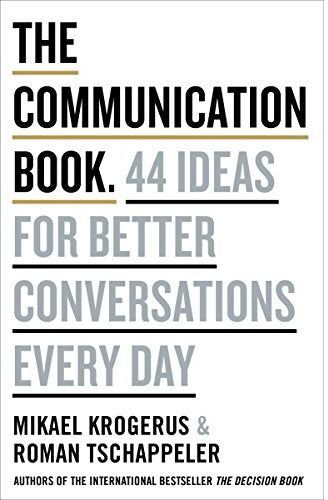
Portfolio Penguin The Communication Book: 44 Ideas for Better Conversations Every DayLEARN THE TECHNIQUES YOU NEED TO COMMUNICATE BETTER AT WORK AND HOME 'Communication is a bit like love - it's what makes the world go round, but nobody really knows how it works.' Struggle to find the words in meetings? Know what you mean but not how to say it? From Aristotle's thoughts on presenting to the Harvard Negotiation Project, internationally bestselling duo Mikael Krogerus and Roman Tschäppeler have 44 tried and tested ideas to change that. Distilled into a single volume, their winning marriage of practicality and humour turns seemingly difficult ideas into clear and entertaining diagrams that will help you: -Brush up on your listening skills and small talk -Run better meetings -Improve the conversations in your head Whether you're a CEO, just starting out or want to improve your relationships at home, this guide will improve your communication skills and help you form more meaningful connections.6,99 £*Shipping: 2,99 £Secure redirect to the provider



-
What are the differences between covalent bonds, metallic bonds, and ionic bonds?
Covalent bonds are formed when two atoms share electrons, resulting in a strong bond between the atoms. Metallic bonds occur between metal atoms, where the electrons are delocalized and free to move throughout the structure, creating a strong bond. Ionic bonds are formed between a metal and a nonmetal, where one atom transfers electrons to the other, resulting in the formation of positively and negatively charged ions that are attracted to each other. Overall, covalent bonds involve electron sharing, metallic bonds involve electron delocalization, and ionic bonds involve electron transfer. **
-
Do CO bonds form with other CO bonds?
No, CO bonds do not typically form with other CO bonds. Carbon monoxide (CO) is a stable molecule with a triple bond between the carbon and oxygen atoms. This triple bond is strong and does not readily form additional bonds with other CO molecules. Instead, CO molecules tend to interact with other types of molecules through various types of chemical reactions. **
-
Why are intermolecular bonds weaker than electron pair bonds?
Intermolecular bonds are weaker than electron pair bonds because they involve interactions between molecules rather than within a single molecule. In intermolecular bonds, the attractive forces between molecules are generally weaker than the covalent bonds that hold atoms together within a molecule. Additionally, intermolecular bonds are typically temporary and can be easily broken, whereas electron pair bonds are strong and stable. Overall, the weaker nature of intermolecular bonds allows molecules to move and interact with each other more freely. **
-
Why are intermolecular bonds generally weaker than covalent bonds?
Intermolecular bonds are generally weaker than covalent bonds because they involve interactions between molecules rather than within a single molecule. Covalent bonds involve the sharing of electrons between atoms, creating strong bonds within a molecule. In contrast, intermolecular bonds, such as hydrogen bonds or van der Waals forces, are weaker because they are based on temporary interactions between molecules, which can be easily broken. Additionally, intermolecular bonds are influenced by factors such as distance and orientation, further contributing to their weaker nature compared to covalent bonds. **
Why are intermolecular bonds typically weaker than covalent bonds?
Intermolecular bonds are typically weaker than covalent bonds because they involve interactions between molecules rather than within a single molecule. In intermolecular bonds, the attractive forces between molecules, such as van der Waals forces or hydrogen bonding, are weaker than the strong sharing of electrons in covalent bonds. Additionally, intermolecular bonds are more easily broken or disrupted by changes in temperature or pressure, leading to lower bond energies compared to covalent bonds. **
Why are intermolecular bonds generally weaker than electron pair bonds?
Intermolecular bonds are generally weaker than electron pair bonds because they involve interactions between molecules, which are larger and less localized than the interactions between atoms in a covalent bond. In intermolecular bonds, the attractive forces are typically weaker due to the larger distance between molecules and the lack of direct sharing of electrons. In contrast, electron pair bonds involve the sharing of electrons between atoms, leading to stronger and more localized bonding interactions. **
Top-Angebote
Products related to Bonds:
-
milk_shake Everlasting Bonds Repair Conditioner 250mLA conditioner. Everlasting Bonds Conditioner is designed to nourish, strengthen, and restore softness to normal to mildly damaged hair. This lightweight bond-repair conditioner provides healthier, smoother-looking results while addressing key hair concerns. Transform your hair with our bond-repair technology for visibly healthier results.30,83 £*Shipping: 7,11 £Secure redirect to the provider
-
milk_shake Everlasting Bonds Concentrated Hair Mask 120mLA hair mask. This rich formula transforms hair, leaving it smoother, stronger, and visibly healthier after each use. Ideal for addressing severe damage, it provides deep nourishment without weighing hair down. Instantly rebuilds weakened hair bonds. Deeply nourishes without heaviness. Boosts softness and intense shine.30,83 £*Shipping: 5,34 £Secure redirect to the provider
-
milk_shake Everlasting Bonds Leave In Treatment 100mLA hair-care product. It a lightweight leave-in treatment designed to enhance your hair's softness, shine, and manageability without adding weight. This innovative formula provides heat protection up to 230°C, making it ideal for styling while addressing hair damage and promoting a healthier appearance.31,97 £*Shipping: 5,34 £Secure redirect to the provider
-
milk_shake Everlasting Bonds Shampoo for Damaged Hair 300mLA shampoo. Everlasting Bonds Shampoo is a transformative hair care solution designed to restore strength, softness, and resilience to damaged and stressed hair. This gentle yet effective cleanser not only repairs weakened hair bonds but also removes impurities without stripping the hair of its natural moisture.23,98 £*Shipping: 7,11 £Secure redirect to the provider
-
Why have the bonds in my portfolio, which are securities, lost the most value, even though they are EU government bonds considered safe investment havens?
The value of bonds in your portfolio may have decreased due to changes in interest rates. When interest rates rise, the value of existing bonds decreases because they are paying lower interest rates than newly issued bonds. This is known as interest rate risk. Even though EU government bonds are considered safe investments, they are still subject to fluctuations in interest rates, which can impact their value. Additionally, other factors such as economic conditions, inflation expectations, and market sentiment can also affect the value of bonds in your portfolio. **
-
Why have the bonds in my portfolio, which are securities, lost the most value, even though they are EU government bonds considered as safe investment havens?
The value of EU government bonds in your portfolio may have decreased due to a variety of factors such as changes in interest rates, inflation expectations, or market sentiment. Even though EU government bonds are generally considered safe investment havens, they are still subject to market fluctuations and can lose value in certain economic conditions. Additionally, global events, economic uncertainty, or changes in government policies can also impact the value of these securities. It's important to monitor the market and economic conditions to understand the reasons behind the decrease in value of your bond holdings. **
-
What are the differences between covalent bonds, metallic bonds, and ionic bonds?
Covalent bonds are formed when two atoms share electrons, resulting in a strong bond between the atoms. Metallic bonds occur between metal atoms, where the electrons are delocalized and free to move throughout the structure, creating a strong bond. Ionic bonds are formed between a metal and a nonmetal, where one atom transfers electrons to the other, resulting in the formation of positively and negatively charged ions that are attracted to each other. Overall, covalent bonds involve electron sharing, metallic bonds involve electron delocalization, and ionic bonds involve electron transfer. **
-
Do CO bonds form with other CO bonds?
No, CO bonds do not typically form with other CO bonds. Carbon monoxide (CO) is a stable molecule with a triple bond between the carbon and oxygen atoms. This triple bond is strong and does not readily form additional bonds with other CO molecules. Instead, CO molecules tend to interact with other types of molecules through various types of chemical reactions. **
Similar search terms for Bonds
-
Inspired Finds Eternal Bonds Personalized Acrylic Photo Frame & Custom Couple Plaque Gift warm LightCapture Your Timeless Connection. Turn your most meaningful moments into a lasting keepsake with this elegant personalized acrylic photo frame. Designed specifically for couples who value memories that matter, this sleek, transparent display piece...110,99 $*Shipping: 0,00 $Secure redirect to the provider
-
Portfolio Penguin The Communication Book: 44 Ideas for Better Conversations Every DayLEARN THE TECHNIQUES YOU NEED TO COMMUNICATE BETTER AT WORK AND HOME 'Communication is a bit like love - it's what makes the world go round, but nobody really knows how it works.' Struggle to find the words in meetings? Know what you mean but not how to say it? From Aristotle's thoughts on presenting to the Harvard Negotiation Project, internationally bestselling duo Mikael Krogerus and Roman Tschäppeler have 44 tried and tested ideas to change that. Distilled into a single volume, their winning marriage of practicality and humour turns seemingly difficult ideas into clear and entertaining diagrams that will help you: -Brush up on your listening skills and small talk -Run better meetings -Improve the conversations in your head Whether you're a CEO, just starting out or want to improve your relationships at home, this guide will improve your communication skills and help you form more meaningful connections.6,99 £*Shipping: 2,99 £Secure redirect to the provider
-
Portfolio Penguin Hooked: How to Build Habit-Forming Products by Nir EyalNir Eyal reveals how successful companies create products people can't put down - and how you can tooWhy do some products capture our attention while others flop? What makes us engage with certain things out of sheer habit? Is there an underlying pattern to how technologies hook us?Nir Eyal answers these questions (and many more) with the Hook Model - a four-step process that, when embedded into products, subtly encourages customer behaviour. Through consecutive "hook cycles," these products bring people back again and again without depending on costly advertising or aggressive messaging.Hooked is based on Eyal's years of research, consulting, and practical experience. He wrote the book he wished had been available to him as a start-up founder - not abstract theory, but a how-to guide for building better products. Hooked is written for product managers, designers, marketers, start-up founders, and anyone who seeks to understand how products influence our behaviour.Eyal provides readers with practical insights to create user habits that stick; actionable steps for building products people love; and riveting examples from the iPhone to Twitter, Pinterest and the Bible App.7,98 £*Shipping: 2,99 £Secure redirect to the provider
-
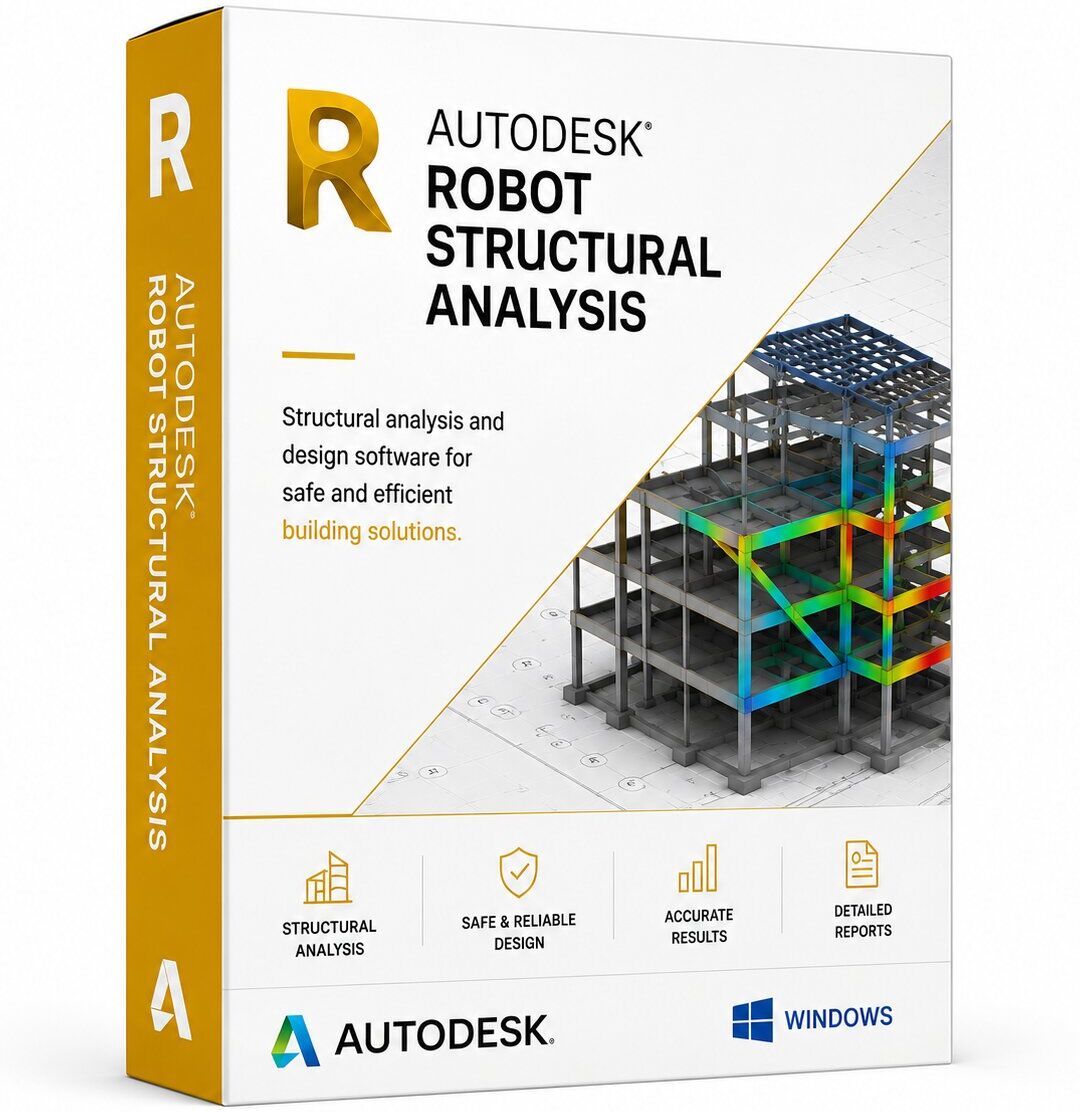
AUTODESK ROBOT STRUCTURAL ANALYSIS 2026AUTODESK ROBOT STRUCTURAL ANALYSIS LIZENZ Original und garantiert von Nextdigitalkey.com Autodesk Robot Structural Analysis Professional ist eine leistungsstarke FEM-Software (Finite-Elemente-Methode) für die statische und dynamische Analyse von Tragwerken. Sie wird von Statikern und Bauingenieuren weltweit zur präzisen Berechnung und Dimensionierung von Gebäuden und Infrastrukturen eingesetzt. Mit Robot Structural Analysis können Sie: - Statische und dynamische Berechnungen für beliebige Tragwerkstypen durchführen - Stahl-, Beton- und Holzstrukturen nach internationalen Normen (EN, AISC, etc.) bemessen - Nahtlos mit Revit und AutoCAD zusammenarbeiten – dank bidirektionaler BIM-Integration - Erdbeben-, Wind- und Schneelasten nach aktuellen Normen automatisch generieren - Detaillierte Bemessungsberichte und Werkstattzeichnungen exportieren Warum Robot Structural Analysis? Robot bietet eine vollständige Lösung für Tragwerksplanung – von der Modellierung bis zur Norm-konformen Bemessung – und spart durch die enge Revit-Integration erheblich Zeit bei Planungsänderungen. Lizenzinformationen: - Zugang: Vollständig - Sprache: Mehrsprachig - Geräte: 1 - Betriebssystem: Windows - Lizenztyp: Dauerhaft (ohne Ablaufdatum) Was Sie nach dem Kauf erhalten: - Offizieller Produktschlüssel - Downloadlink zur offiziellen Autodesk-Webseite - Installationsanleitung auf Deutsch Download: Der Download erfolgt direkt über die offizielle Autodesk-Webseite. Preis und Legalität: Unsere Lizenzen stammen aus dem Wiederverkauf entbundener Einzelhandelslizenzen gemäß dem Urteil des Europäischen Gerichtshofs (C-128/2011). Alle Lizenzen sind original, digital (ESD), sofort verfügbar und beliebig oft auf demselben Gerät installierbar. Support: Technischer Support rund um die Uhr per Fernzugriff – auch an Wochenenden und Feiertagen verfügbar.89,95 £*Shipping: 0,00 £Secure redirect to the provider
-
Why are intermolecular bonds weaker than electron pair bonds?
Intermolecular bonds are weaker than electron pair bonds because they involve interactions between molecules rather than within a single molecule. In intermolecular bonds, the attractive forces between molecules are generally weaker than the covalent bonds that hold atoms together within a molecule. Additionally, intermolecular bonds are typically temporary and can be easily broken, whereas electron pair bonds are strong and stable. Overall, the weaker nature of intermolecular bonds allows molecules to move and interact with each other more freely. **
-
Why are intermolecular bonds generally weaker than covalent bonds?
Intermolecular bonds are generally weaker than covalent bonds because they involve interactions between molecules rather than within a single molecule. Covalent bonds involve the sharing of electrons between atoms, creating strong bonds within a molecule. In contrast, intermolecular bonds, such as hydrogen bonds or van der Waals forces, are weaker because they are based on temporary interactions between molecules, which can be easily broken. Additionally, intermolecular bonds are influenced by factors such as distance and orientation, further contributing to their weaker nature compared to covalent bonds. **
-
Why are intermolecular bonds typically weaker than covalent bonds?
Intermolecular bonds are typically weaker than covalent bonds because they involve interactions between molecules rather than within a single molecule. In intermolecular bonds, the attractive forces between molecules, such as van der Waals forces or hydrogen bonding, are weaker than the strong sharing of electrons in covalent bonds. Additionally, intermolecular bonds are more easily broken or disrupted by changes in temperature or pressure, leading to lower bond energies compared to covalent bonds. **
-
Why are intermolecular bonds generally weaker than electron pair bonds?
Intermolecular bonds are generally weaker than electron pair bonds because they involve interactions between molecules, which are larger and less localized than the interactions between atoms in a covalent bond. In intermolecular bonds, the attractive forces are typically weaker due to the larger distance between molecules and the lack of direct sharing of electrons. In contrast, electron pair bonds involve the sharing of electrons between atoms, leading to stronger and more localized bonding interactions. **
* All prices are inclusive of VAT and, if applicable, plus shipping costs. The offer information is based on the details provided by the respective shop and is updated through automated processes. Real-time updates do not occur, so deviations can occur in individual cases. ** Note: Parts of this content were created by AI.