Buy fundmanager.eu ?
We are moving the project
fundmanager.eu .
Are you interested in purchasing the domain
fundmanager.eu ?
domain@kv-gmbh.de · 0541-91531010
Buy fundmanager.eu ?
How do I calculate refraction or the angle of refraction?
To calculate refraction or the angle of refraction, you can use Snell's Law, which relates the angles of incidence and refraction to the refractive indices of the two mediums involved. The formula is n1*sin(theta1) = n2*sin(theta2), where n1 and n2 are the refractive indices of the two mediums, and theta1 and theta2 are the angles of incidence and refraction, respectively. By rearranging this formula, you can solve for the angle of refraction when given the angle of incidence and refractive indices of the mediums. **
How do I calculate the refraction or the angle of refraction?
To calculate the angle of refraction, you can use Snell's Law, which states that the ratio of the sine of the angle of incidence to the sine of the angle of refraction is equal to the ratio of the velocities of light in the two different mediums. Mathematically, this can be expressed as n1*sin(theta1) = n2*sin(theta2), where n1 and n2 are the refractive indices of the two mediums, and theta1 and theta2 are the angles of incidence and refraction, respectively. By rearranging this equation, you can solve for the angle of refraction. **
Similar search terms for Refraction
Top-Angebote
Products related to Refraction:
-
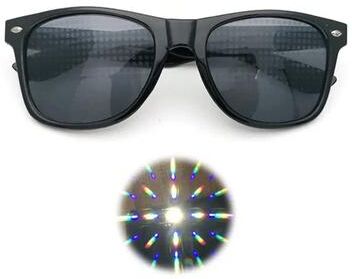
Quick Pick Pro Prism Effect Diffraction Glasses For Raves & Festivals Black Frame Rave Glasses With Light Refraction Lenses Prism Effect Diffraction Glasses For Raves & Festivals Black Frame Rave Glasses With Light Refraction LensesStep into a world where light becomes a living celebration. These Prism Effect diffraction glasses turn every laser, LED and stage light into vibrant, kaleidoscopic visuals that pull you deeper into the moment. Designed for music lovers, festival...41,97 $*Shipping: 0,00 $Secure redirect to the provider
-
KALATY Portfolio Storm Gray HandMade Area RugWelcome guests to your home with the rich grey pattern and hand-woven design of this runner rug. Made of premium wool and Silkette, this runner is durable yet also has a lovely transitional style.595,99 $*Shipping: 0,00 $Secure redirect to the provider
-
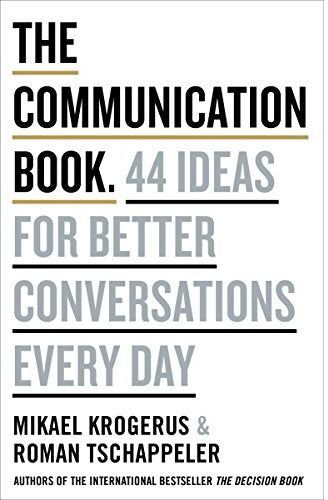
Portfolio Penguin The Communication Book: 44 Ideas for Better Conversations Every DayLEARN THE TECHNIQUES YOU NEED TO COMMUNICATE BETTER AT WORK AND HOME 'Communication is a bit like love - it's what makes the world go round, but nobody really knows how it works.' Struggle to find the words in meetings? Know what you mean but not how to say it? From Aristotle's thoughts on presenting to the Harvard Negotiation Project, internationally bestselling duo Mikael Krogerus and Roman Tschäppeler have 44 tried and tested ideas to change that. Distilled into a single volume, their winning marriage of practicality and humour turns seemingly difficult ideas into clear and entertaining diagrams that will help you: -Brush up on your listening skills and small talk -Run better meetings -Improve the conversations in your head Whether you're a CEO, just starting out or want to improve your relationships at home, this guide will improve your communication skills and help you form more meaningful connections.6,99 £*Shipping: 2,99 £Secure redirect to the provider
-
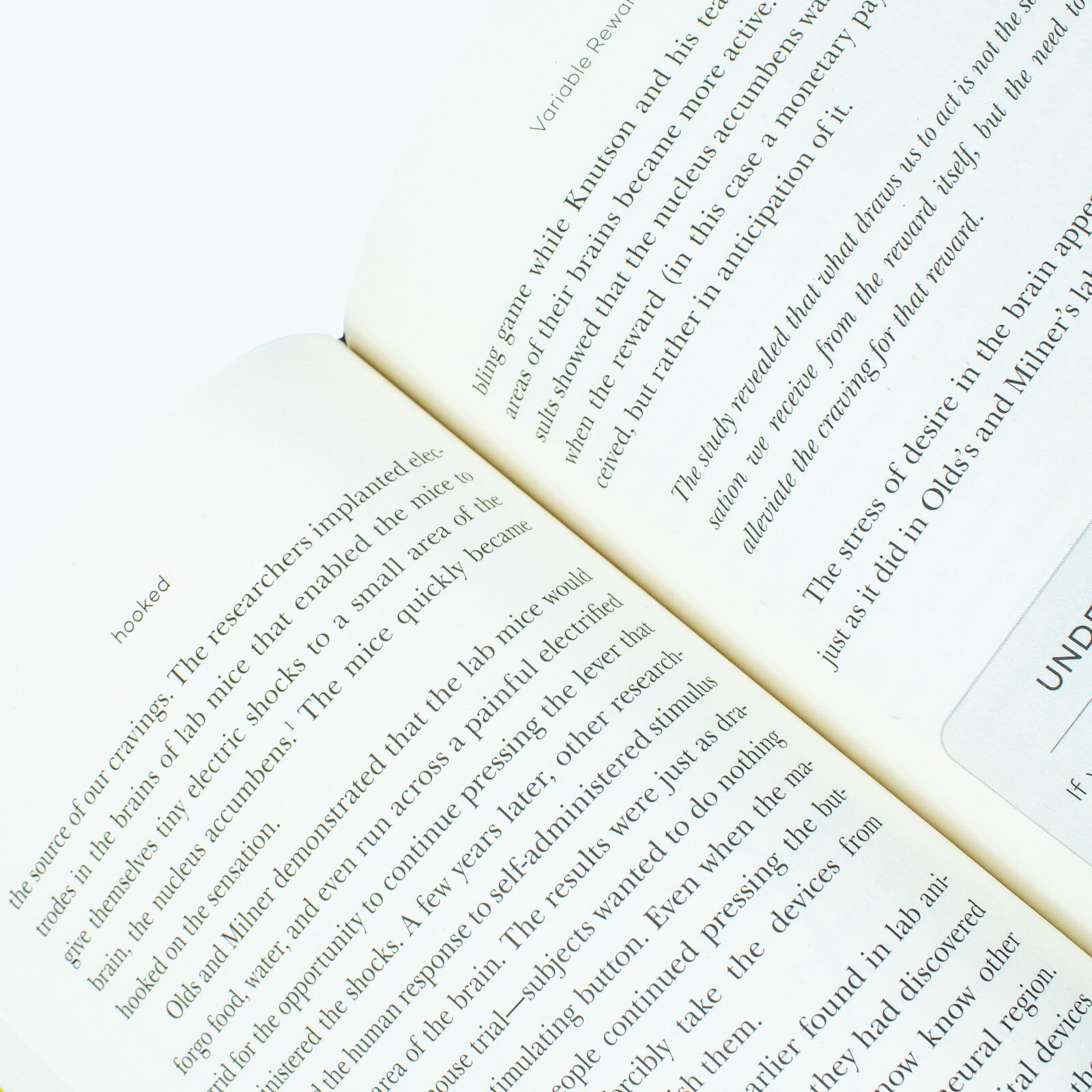
Portfolio Penguin Hooked: How to Build Habit-Forming Products by Nir EyalNir Eyal reveals how successful companies create products people can't put down - and how you can tooWhy do some products capture our attention while others flop? What makes us engage with certain things out of sheer habit? Is there an underlying pattern to how technologies hook us?Nir Eyal answers these questions (and many more) with the Hook Model - a four-step process that, when embedded into products, subtly encourages customer behaviour. Through consecutive "hook cycles," these products bring people back again and again without depending on costly advertising or aggressive messaging.Hooked is based on Eyal's years of research, consulting, and practical experience. He wrote the book he wished had been available to him as a start-up founder - not abstract theory, but a how-to guide for building better products. Hooked is written for product managers, designers, marketers, start-up founders, and anyone who seeks to understand how products influence our behaviour.Eyal provides readers with practical insights to create user habits that stick; actionable steps for building products people love; and riveting examples from the iPhone to Twitter, Pinterest and the Bible App.7,98 £*Shipping: 2,99 £Secure redirect to the provider

-
What is the angle of refraction in the refraction of light?
The angle of refraction in the refraction of light is the angle between the refracted ray and the normal to the surface at the point of incidence. It is determined by Snell's Law, which states that the ratio of the sine of the angle of incidence to the sine of the angle of refraction is equal to the ratio of the velocities of light in the two media. The angle of refraction can be calculated using the formula: n1*sin(θ1) = n2*sin(θ2), where n1 and n2 are the refractive indices of the two media, and θ1 and θ2 are the angles of incidence and refraction, respectively. **
-
What is refraction in a prism?
Refraction in a prism is the bending of light as it passes through the prism due to the change in speed of light in different mediums. When light enters a prism, it slows down and bends towards the normal line, then as it exits the prism, it speeds up and bends away from the normal line. This bending of light causes the different colors of the spectrum to separate and create a rainbow effect. **
-
What is the law of refraction?
The law of refraction, also known as Snell's law, describes the relationship between the angles of incidence and refraction when a wave, such as light or sound, passes from one medium to another. It states that the ratio of the sine of the angle of incidence to the sine of the angle of refraction is equal to the ratio of the velocities of the wave in the two media. In other words, the law of refraction quantifies how much a wave bends as it passes from one medium to another, such as from air to water or from air to glass. **
-
How does the refraction of light occur?
Refraction of light occurs when light travels from one medium to another with a different optical density, causing the light rays to change direction. This change in direction is due to the difference in speed of light in the two mediums. As light enters a medium with a different optical density, it can either speed up or slow down, causing the light rays to bend. This bending of light is what we observe as refraction. **
How can one construct refraction of light?
One can construct refraction of light by passing light through a medium with a different optical density, such as air to water or glass. The change in optical density causes the light to change speed and bend as it enters the new medium, resulting in refraction. The angle of refraction can be calculated using Snell's Law, which relates the angles of incidence and refraction to the refractive indices of the two mediums. By understanding and manipulating these principles, one can effectively construct and demonstrate refraction of light. **
How is the refraction of light calculated?
The refraction of light is calculated using Snell's Law, which states that the ratio of the sine of the angle of incidence to the sine of the angle of refraction is equal to the ratio of the velocities of light in the two different mediums. This can be expressed as n1*sin(theta1) = n2*sin(theta2), where n1 and n2 are the refractive indices of the two mediums, and theta1 and theta2 are the angles of incidence and refraction, respectively. By knowing the refractive indices of the two mediums and the angle of incidence, one can calculate the angle of refraction using Snell's Law. **
Top-Angebote
Products related to Refraction:
-
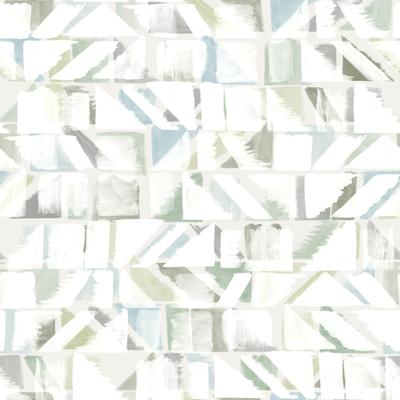
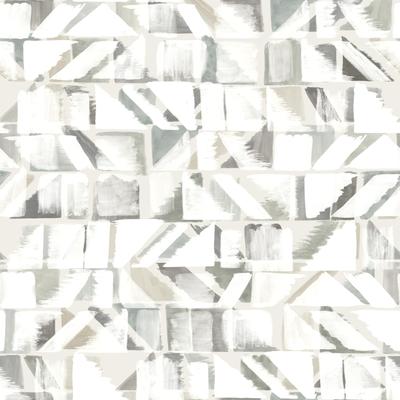
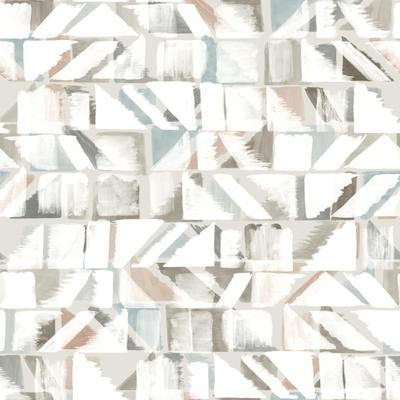
York Wallcoverings Blue Refraction Peel and Stick WallpaperPattern Refraction is a fractured geometric with the effect of a broken prism of reflected light. This Refraction Peel & Stick Wallpaper measures approximately 20.5 inches wide by 20 feet long, covering About 34.2 square feet per roll.47,07 $*Shipping: 0,00 $Secure redirect to the provider
-
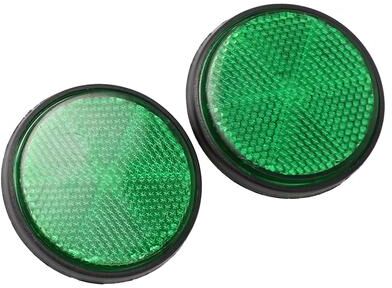
Smart Shopping Spot Motorcycle Night Reflector, Circular Reflector For Cars, Trucks, Refraction Light greenIlluminate Your Ride with the Circular Reflector Ensure safety and visibility during night rides with the Circular Reflector for Cars, Trucks, and Motorcycles. This easytoinstall reflector light ensures you're seen, whether driving a car, truck, or...22,97 $*Shipping: 0,00 $Secure redirect to the provider
-
Quick Pick Pro Prism Effect Diffraction Glasses For Raves & Festivals Black Frame Rave Glasses With Light Refraction Lenses Prism Effect Diffraction Glasses For Raves & Festivals Black Frame Rave Glasses With Light Refraction LensesStep into a world where light becomes a living celebration. These Prism Effect diffraction glasses turn every laser, LED and stage light into vibrant, kaleidoscopic visuals that pull you deeper into the moment. Designed for music lovers, festival...41,97 $*Shipping: 0,00 $Secure redirect to the provider
-
KALATY Portfolio Storm Gray HandMade Area RugWelcome guests to your home with the rich grey pattern and hand-woven design of this runner rug. Made of premium wool and Silkette, this runner is durable yet also has a lovely transitional style.595,99 $*Shipping: 0,00 $Secure redirect to the provider
-
How do I calculate refraction or the angle of refraction?
To calculate refraction or the angle of refraction, you can use Snell's Law, which relates the angles of incidence and refraction to the refractive indices of the two mediums involved. The formula is n1*sin(theta1) = n2*sin(theta2), where n1 and n2 are the refractive indices of the two mediums, and theta1 and theta2 are the angles of incidence and refraction, respectively. By rearranging this formula, you can solve for the angle of refraction when given the angle of incidence and refractive indices of the mediums. **
-
How do I calculate the refraction or the angle of refraction?
To calculate the angle of refraction, you can use Snell's Law, which states that the ratio of the sine of the angle of incidence to the sine of the angle of refraction is equal to the ratio of the velocities of light in the two different mediums. Mathematically, this can be expressed as n1*sin(theta1) = n2*sin(theta2), where n1 and n2 are the refractive indices of the two mediums, and theta1 and theta2 are the angles of incidence and refraction, respectively. By rearranging this equation, you can solve for the angle of refraction. **
-
What is the angle of refraction in the refraction of light?
The angle of refraction in the refraction of light is the angle between the refracted ray and the normal to the surface at the point of incidence. It is determined by Snell's Law, which states that the ratio of the sine of the angle of incidence to the sine of the angle of refraction is equal to the ratio of the velocities of light in the two media. The angle of refraction can be calculated using the formula: n1*sin(θ1) = n2*sin(θ2), where n1 and n2 are the refractive indices of the two media, and θ1 and θ2 are the angles of incidence and refraction, respectively. **
-
What is refraction in a prism?
Refraction in a prism is the bending of light as it passes through the prism due to the change in speed of light in different mediums. When light enters a prism, it slows down and bends towards the normal line, then as it exits the prism, it speeds up and bends away from the normal line. This bending of light causes the different colors of the spectrum to separate and create a rainbow effect. **
Similar search terms for Refraction
-
Portfolio Penguin The Communication Book: 44 Ideas for Better Conversations Every DayLEARN THE TECHNIQUES YOU NEED TO COMMUNICATE BETTER AT WORK AND HOME 'Communication is a bit like love - it's what makes the world go round, but nobody really knows how it works.' Struggle to find the words in meetings? Know what you mean but not how to say it? From Aristotle's thoughts on presenting to the Harvard Negotiation Project, internationally bestselling duo Mikael Krogerus and Roman Tschäppeler have 44 tried and tested ideas to change that. Distilled into a single volume, their winning marriage of practicality and humour turns seemingly difficult ideas into clear and entertaining diagrams that will help you: -Brush up on your listening skills and small talk -Run better meetings -Improve the conversations in your head Whether you're a CEO, just starting out or want to improve your relationships at home, this guide will improve your communication skills and help you form more meaningful connections.6,99 £*Shipping: 2,99 £Secure redirect to the provider
-
Portfolio Penguin Hooked: How to Build Habit-Forming Products by Nir EyalNir Eyal reveals how successful companies create products people can't put down - and how you can tooWhy do some products capture our attention while others flop? What makes us engage with certain things out of sheer habit? Is there an underlying pattern to how technologies hook us?Nir Eyal answers these questions (and many more) with the Hook Model - a four-step process that, when embedded into products, subtly encourages customer behaviour. Through consecutive "hook cycles," these products bring people back again and again without depending on costly advertising or aggressive messaging.Hooked is based on Eyal's years of research, consulting, and practical experience. He wrote the book he wished had been available to him as a start-up founder - not abstract theory, but a how-to guide for building better products. Hooked is written for product managers, designers, marketers, start-up founders, and anyone who seeks to understand how products influence our behaviour.Eyal provides readers with practical insights to create user habits that stick; actionable steps for building products people love; and riveting examples from the iPhone to Twitter, Pinterest and the Bible App.7,98 £*Shipping: 2,99 £Secure redirect to the provider
-
York Wallcoverings Neutral Refraction Peel and Stick WallpaperPattern Refraction is a fractured geometric with the effect of a broken prism of reflected light. This Refraction Peel & Stick Wallpaper measures approximately 20.5 inches wide by 20 feet long, covering About 34.2 square feet per roll.55,25 $*Shipping: 0,00 $Secure redirect to the provider
-
York Wallcoverings Brown and Beige Refraction Peel and Stick WallpaperPattern Refraction is a fractured geometric with the effect of a broken prism of reflected light. This Refraction Peel & Stick Wallpaper measures approximately 20.5 inches wide by 20 feet long, covering About 34.2 square feet per roll.40,80 $*Shipping: 0,00 $Secure redirect to the provider
-
What is the law of refraction?
The law of refraction, also known as Snell's law, describes the relationship between the angles of incidence and refraction when a wave, such as light or sound, passes from one medium to another. It states that the ratio of the sine of the angle of incidence to the sine of the angle of refraction is equal to the ratio of the velocities of the wave in the two media. In other words, the law of refraction quantifies how much a wave bends as it passes from one medium to another, such as from air to water or from air to glass. **
-
How does the refraction of light occur?
Refraction of light occurs when light travels from one medium to another with a different optical density, causing the light rays to change direction. This change in direction is due to the difference in speed of light in the two mediums. As light enters a medium with a different optical density, it can either speed up or slow down, causing the light rays to bend. This bending of light is what we observe as refraction. **
-
How can one construct refraction of light?
One can construct refraction of light by passing light through a medium with a different optical density, such as air to water or glass. The change in optical density causes the light to change speed and bend as it enters the new medium, resulting in refraction. The angle of refraction can be calculated using Snell's Law, which relates the angles of incidence and refraction to the refractive indices of the two mediums. By understanding and manipulating these principles, one can effectively construct and demonstrate refraction of light. **
-
How is the refraction of light calculated?
The refraction of light is calculated using Snell's Law, which states that the ratio of the sine of the angle of incidence to the sine of the angle of refraction is equal to the ratio of the velocities of light in the two different mediums. This can be expressed as n1*sin(theta1) = n2*sin(theta2), where n1 and n2 are the refractive indices of the two mediums, and theta1 and theta2 are the angles of incidence and refraction, respectively. By knowing the refractive indices of the two mediums and the angle of incidence, one can calculate the angle of refraction using Snell's Law. **
* All prices are inclusive of VAT and, if applicable, plus shipping costs. The offer information is based on the details provided by the respective shop and is updated through automated processes. Real-time updates do not occur, so deviations can occur in individual cases. ** Note: Parts of this content were created by AI.