Buy fundmanager.eu ?
We are moving the project
fundmanager.eu .
Are you interested in purchasing the domain
fundmanager.eu ?
domain@kv-gmbh.de · 0541-91531010
Buy fundmanager.eu ?
What exactly are phospholipids?
Phospholipids are a class of lipids that are a major component of cell membranes. They consist of a hydrophilic (water-attracting) head and two hydrophobic (water-repelling) tails. This unique structure allows phospholipids to form a bilayer in the cell membrane, with the hydrophilic heads facing the aqueous environment inside and outside the cell, and the hydrophobic tails facing each other in the middle of the membrane. This structure provides the cell membrane with its characteristic flexibility and selective permeability. **
What properties do phospholipids possess?
Phospholipids are a class of lipids that possess both hydrophilic (water-attracting) and hydrophobic (water-repelling) properties. This dual nature allows phospholipids to form the basic structure of cell membranes, with the hydrophilic head facing the watery environment and the hydrophobic tails facing inward. This arrangement creates a barrier that separates the interior of the cell from its external environment. Additionally, phospholipids are amphipathic, meaning they have both polar and nonpolar regions, which gives them the ability to self-assemble into bilayers and vesicles. **

Similar search terms for Phospholipids
Top-Angebote
Products related to Phospholipids:
-
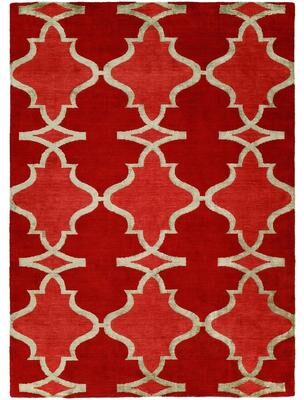
KALATY Portfolio Black Wool and Viscose Handmade Area RugSpice up light-colored flooring with this Portfolio area rug. Showcasing a geometric pattern by designer Parisa Abdollahi, this Handmade wool and viscose rug oozes casual style and fits various motifs.68,49 $*Shipping: 0,00 $Secure redirect to the provider
-
Portfolio Penguin The Communication Book: 44 Ideas for Better Conversations Every DayLEARN THE TECHNIQUES YOU NEED TO COMMUNICATE BETTER AT WORK AND HOME 'Communication is a bit like love - it's what makes the world go round, but nobody really knows how it works.' Struggle to find the words in meetings? Know what you mean but not how to say it? From Aristotle's thoughts on presenting to the Harvard Negotiation Project, internationally bestselling duo Mikael Krogerus and Roman Tschäppeler have 44 tried and tested ideas to change that. Distilled into a single volume, their winning marriage of practicality and humour turns seemingly difficult ideas into clear and entertaining diagrams that will help you: -Brush up on your listening skills and small talk -Run better meetings -Improve the conversations in your head Whether you're a CEO, just starting out or want to improve your relationships at home, this guide will improve your communication skills and help you form more meaningful connections.6,99 £*Shipping: 2,99 £Secure redirect to the provider
-
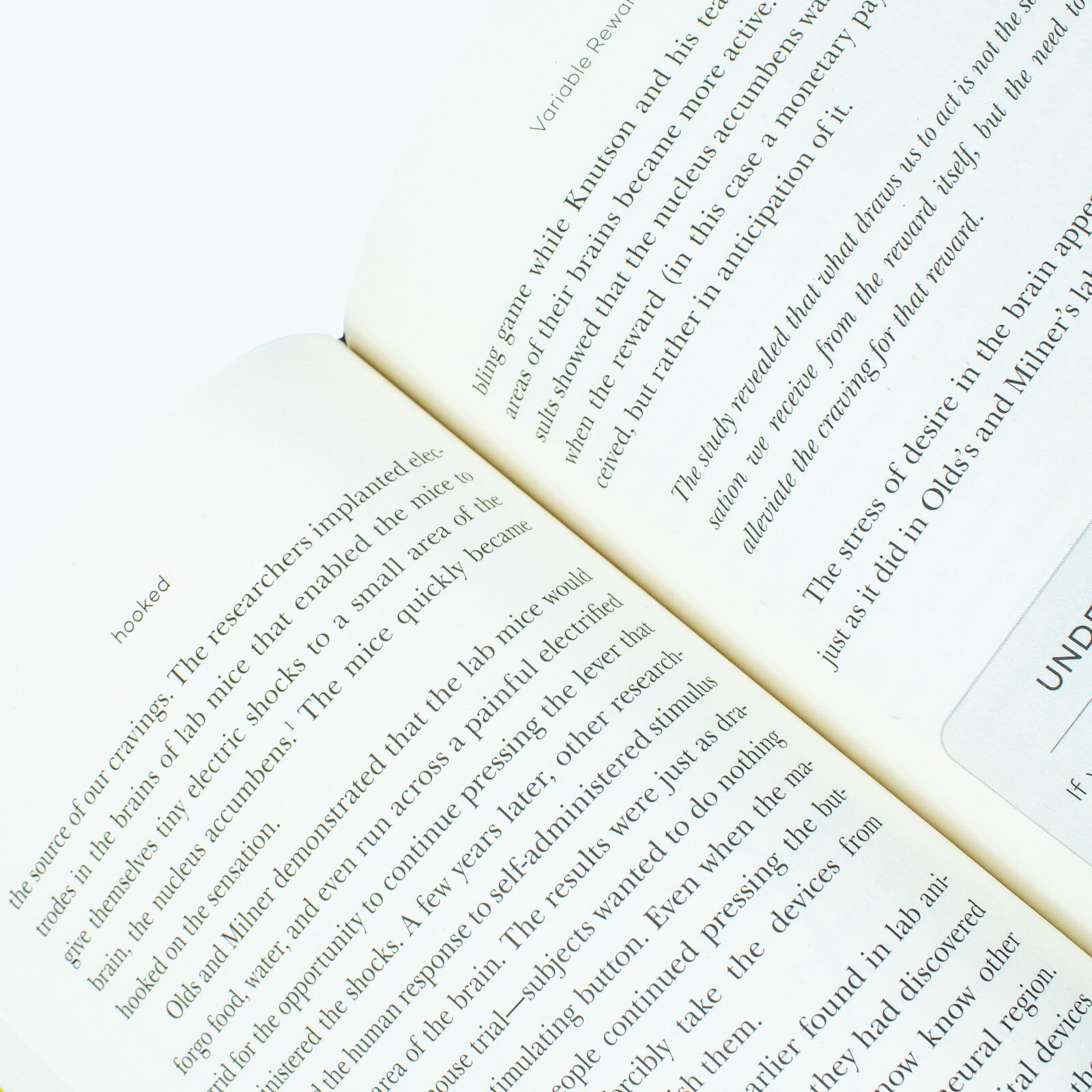
Portfolio Penguin Hooked: How to Build Habit-Forming Products by Nir EyalNir Eyal reveals how successful companies create products people can't put down - and how you can tooWhy do some products capture our attention while others flop? What makes us engage with certain things out of sheer habit? Is there an underlying pattern to how technologies hook us?Nir Eyal answers these questions (and many more) with the Hook Model - a four-step process that, when embedded into products, subtly encourages customer behaviour. Through consecutive "hook cycles," these products bring people back again and again without depending on costly advertising or aggressive messaging.Hooked is based on Eyal's years of research, consulting, and practical experience. He wrote the book he wished had been available to him as a start-up founder - not abstract theory, but a how-to guide for building better products. Hooked is written for product managers, designers, marketers, start-up founders, and anyone who seeks to understand how products influence our behaviour.Eyal provides readers with practical insights to create user habits that stick; actionable steps for building products people love; and riveting examples from the iPhone to Twitter, Pinterest and the Bible App.7,98 £*Shipping: 2,99 £Secure redirect to the provider
-
Classic Editions The Complete Art of War – 8 Book Hardback Box Set Sun Tzu & Ancient Chinese Military Strategy Classics Leadership, Warfare & Strategy CollectionExplore centuries of strategic thinking with The Complete Art of War – 8 Books Collection Hardback Box Set, an impressive collection of classical Chinese writings on warfare, leadership, tactics and strategy. Bringing together influential works from ancient Chinese military thought, this hardback collection includes titles such as The Art of War, Methods of the Sima, Wuzi, Wei Liaozi, Three Strategies of Huang Shigong, and Six Secret Teachings of Taigong, alongside additional works included in the eight-volume set. These enduring texts examine subjects including leadership, planning, discipline, intelligence, diplomacy, battlefield tactics and strategic decision-making. Although written in the context of ancient warfare, many of their principles have subsequently attracted readers interested in history, leadership and strategic thinking. Presented as an 8-volume hardback boxed collection, the set is ideal for readers of military history, students of classical philosophy and collectors of beautifully presented classic works. Why Readers Will Love This Collection Includes 8 hardback volumes in a collectible box set Features influential works of ancient Chinese military strategy Explores strategy, leadership, tactics and decision-making Excellent addition to military history and philosophy collections Attractive hardback format for a home or study library Ideal gift for history, strategy and classic literature enthusiasts The Complete Art of War 8 Book Collection brings together some of history's most enduring works on strategy in one impressive hardback set. Titles In This Set: Notebook Questions and Replies Three Strategies of Huang Shigong Wuzi Wei Liaozi The Methods of The Sima Six Secret Teachings of Taigong The Art of War16,99 £*Shipping: 2,99 £Secure redirect to the provider



-
What are the components of phospholipids?
Phospholipids are composed of a glycerol molecule, two fatty acid chains, a phosphate group, and a polar head group. The fatty acid chains are hydrophobic, meaning they repel water, while the phosphate group and polar head group are hydrophilic, meaning they attract water. This unique structure allows phospholipids to form the lipid bilayer that makes up cell membranes, with the hydrophobic tails facing inward and the hydrophilic heads facing outward towards the water. **
-
Why do phospholipids form a double layer?
Phospholipids form a double layer, known as a lipid bilayer, because of their amphipathic nature. This means that they have both hydrophilic (water-attracting) and hydrophobic (water-repelling) regions. When phospholipids are placed in an aqueous environment, the hydrophobic tails naturally orient themselves away from the water, while the hydrophilic heads interact with the water. This arrangement allows phospholipids to form a stable barrier, such as the cell membrane, with the hydrophobic tails sandwiched between two layers of hydrophilic heads. This lipid bilayer structure provides a selective barrier that controls the movement of molecules in and out of the cell. **
-
What is the difference between phospholipids and triglycerides?
Phospholipids and triglycerides are both types of lipids, but they have different structures and functions. Phospholipids have two fatty acid chains and a phosphate group, which allows them to form cell membranes and act as emulsifiers. Triglycerides, on the other hand, have three fatty acid chains and are used primarily as energy storage molecules. Additionally, triglycerides are hydrophobic, while phospholipids have both hydrophobic and hydrophilic regions, making them amphipathic molecules. **
-
Why do phospholipids have different structures in water?
Phospholipids have different structures in water because of their amphiphilic nature. This means that they have both hydrophilic (water-attracting) and hydrophobic (water-repelling) regions. In water, phospholipids arrange themselves in a bilayer with the hydrophilic heads facing the water and the hydrophobic tails facing each other. This arrangement allows phospholipids to form cell membranes and other structures that are essential for the functioning of living organisms. The different structures of phospholipids in water allow them to fulfill their roles in maintaining the integrity and function of biological membranes. **
How do phospholipids from plant and animal sources differ?
Phospholipids from plant and animal sources differ in their fatty acid composition. Plant phospholipids typically contain higher levels of unsaturated fatty acids, such as linoleic and linolenic acids, while animal phospholipids contain higher levels of saturated fatty acids, such as palmitic and stearic acids. This difference in fatty acid composition can affect the physical properties of the phospholipids, such as their fluidity and melting point. Additionally, plant phospholipids may also contain unique fatty acids, such as alpha-linolenic acid, which are not typically found in animal phospholipids. **
In the double layer of phospholipids, what fluid is present?
In the double layer of phospholipids, the fluid present is known as the lipid bilayer. This lipid bilayer is composed of two layers of phospholoids, with the hydrophilic (water-attracting) heads facing outward and the hydrophobic (water-repelling) tails facing inward. This arrangement creates a fluid and flexible barrier that surrounds the cell and regulates the movement of molecules in and out of the cell. The fluidity of the lipid bilayer allows for the dynamic movement of proteins and other molecules within the cell membrane. **
Top-Angebote
Products related to Phospholipids:
-
KALATY Portfolio Red Hot Handmade Area RugInvite vibrancy into your classic interior with the bold red motif of this area rug. The Handmade wool construction infuses warmth and texture into your room, and the touch of silkette adds a silky sheen.279,99 $*Shipping: 0,00 $Secure redirect to the provider
-
KALATY Portfolio Black Wool and Viscose Handmade Area RugSpice up light-colored flooring with this Portfolio area rug. Showcasing a geometric pattern by designer Parisa Abdollahi, this Handmade wool and viscose rug oozes casual style and fits various motifs.68,49 $*Shipping: 0,00 $Secure redirect to the provider
-
Portfolio Penguin The Communication Book: 44 Ideas for Better Conversations Every DayLEARN THE TECHNIQUES YOU NEED TO COMMUNICATE BETTER AT WORK AND HOME 'Communication is a bit like love - it's what makes the world go round, but nobody really knows how it works.' Struggle to find the words in meetings? Know what you mean but not how to say it? From Aristotle's thoughts on presenting to the Harvard Negotiation Project, internationally bestselling duo Mikael Krogerus and Roman Tschäppeler have 44 tried and tested ideas to change that. Distilled into a single volume, their winning marriage of practicality and humour turns seemingly difficult ideas into clear and entertaining diagrams that will help you: -Brush up on your listening skills and small talk -Run better meetings -Improve the conversations in your head Whether you're a CEO, just starting out or want to improve your relationships at home, this guide will improve your communication skills and help you form more meaningful connections.6,99 £*Shipping: 2,99 £Secure redirect to the provider
-
What exactly are phospholipids?
Phospholipids are a class of lipids that are a major component of cell membranes. They consist of a hydrophilic (water-attracting) head and two hydrophobic (water-repelling) tails. This unique structure allows phospholipids to form a bilayer in the cell membrane, with the hydrophilic heads facing the aqueous environment inside and outside the cell, and the hydrophobic tails facing each other in the middle of the membrane. This structure provides the cell membrane with its characteristic flexibility and selective permeability. **
-
What properties do phospholipids possess?
Phospholipids are a class of lipids that possess both hydrophilic (water-attracting) and hydrophobic (water-repelling) properties. This dual nature allows phospholipids to form the basic structure of cell membranes, with the hydrophilic head facing the watery environment and the hydrophobic tails facing inward. This arrangement creates a barrier that separates the interior of the cell from its external environment. Additionally, phospholipids are amphipathic, meaning they have both polar and nonpolar regions, which gives them the ability to self-assemble into bilayers and vesicles. **
-
What are the components of phospholipids?
Phospholipids are composed of a glycerol molecule, two fatty acid chains, a phosphate group, and a polar head group. The fatty acid chains are hydrophobic, meaning they repel water, while the phosphate group and polar head group are hydrophilic, meaning they attract water. This unique structure allows phospholipids to form the lipid bilayer that makes up cell membranes, with the hydrophobic tails facing inward and the hydrophilic heads facing outward towards the water. **
-
Why do phospholipids form a double layer?
Phospholipids form a double layer, known as a lipid bilayer, because of their amphipathic nature. This means that they have both hydrophilic (water-attracting) and hydrophobic (water-repelling) regions. When phospholipids are placed in an aqueous environment, the hydrophobic tails naturally orient themselves away from the water, while the hydrophilic heads interact with the water. This arrangement allows phospholipids to form a stable barrier, such as the cell membrane, with the hydrophobic tails sandwiched between two layers of hydrophilic heads. This lipid bilayer structure provides a selective barrier that controls the movement of molecules in and out of the cell. **
Similar search terms for Phospholipids
-
Portfolio Penguin Hooked: How to Build Habit-Forming Products by Nir EyalNir Eyal reveals how successful companies create products people can't put down - and how you can tooWhy do some products capture our attention while others flop? What makes us engage with certain things out of sheer habit? Is there an underlying pattern to how technologies hook us?Nir Eyal answers these questions (and many more) with the Hook Model - a four-step process that, when embedded into products, subtly encourages customer behaviour. Through consecutive "hook cycles," these products bring people back again and again without depending on costly advertising or aggressive messaging.Hooked is based on Eyal's years of research, consulting, and practical experience. He wrote the book he wished had been available to him as a start-up founder - not abstract theory, but a how-to guide for building better products. Hooked is written for product managers, designers, marketers, start-up founders, and anyone who seeks to understand how products influence our behaviour.Eyal provides readers with practical insights to create user habits that stick; actionable steps for building products people love; and riveting examples from the iPhone to Twitter, Pinterest and the Bible App.7,98 £*Shipping: 2,99 £Secure redirect to the provider
-
Classic Editions The Complete Art of War – 8 Book Hardback Box Set Sun Tzu & Ancient Chinese Military Strategy Classics Leadership, Warfare & Strategy CollectionExplore centuries of strategic thinking with The Complete Art of War – 8 Books Collection Hardback Box Set, an impressive collection of classical Chinese writings on warfare, leadership, tactics and strategy. Bringing together influential works from ancient Chinese military thought, this hardback collection includes titles such as The Art of War, Methods of the Sima, Wuzi, Wei Liaozi, Three Strategies of Huang Shigong, and Six Secret Teachings of Taigong, alongside additional works included in the eight-volume set. These enduring texts examine subjects including leadership, planning, discipline, intelligence, diplomacy, battlefield tactics and strategic decision-making. Although written in the context of ancient warfare, many of their principles have subsequently attracted readers interested in history, leadership and strategic thinking. Presented as an 8-volume hardback boxed collection, the set is ideal for readers of military history, students of classical philosophy and collectors of beautifully presented classic works. Why Readers Will Love This Collection Includes 8 hardback volumes in a collectible box set Features influential works of ancient Chinese military strategy Explores strategy, leadership, tactics and decision-making Excellent addition to military history and philosophy collections Attractive hardback format for a home or study library Ideal gift for history, strategy and classic literature enthusiasts The Complete Art of War 8 Book Collection brings together some of history's most enduring works on strategy in one impressive hardback set. Titles In This Set: Notebook Questions and Replies Three Strategies of Huang Shigong Wuzi Wei Liaozi The Methods of The Sima Six Secret Teachings of Taigong The Art of War16,99 £*Shipping: 2,99 £Secure redirect to the provider
-
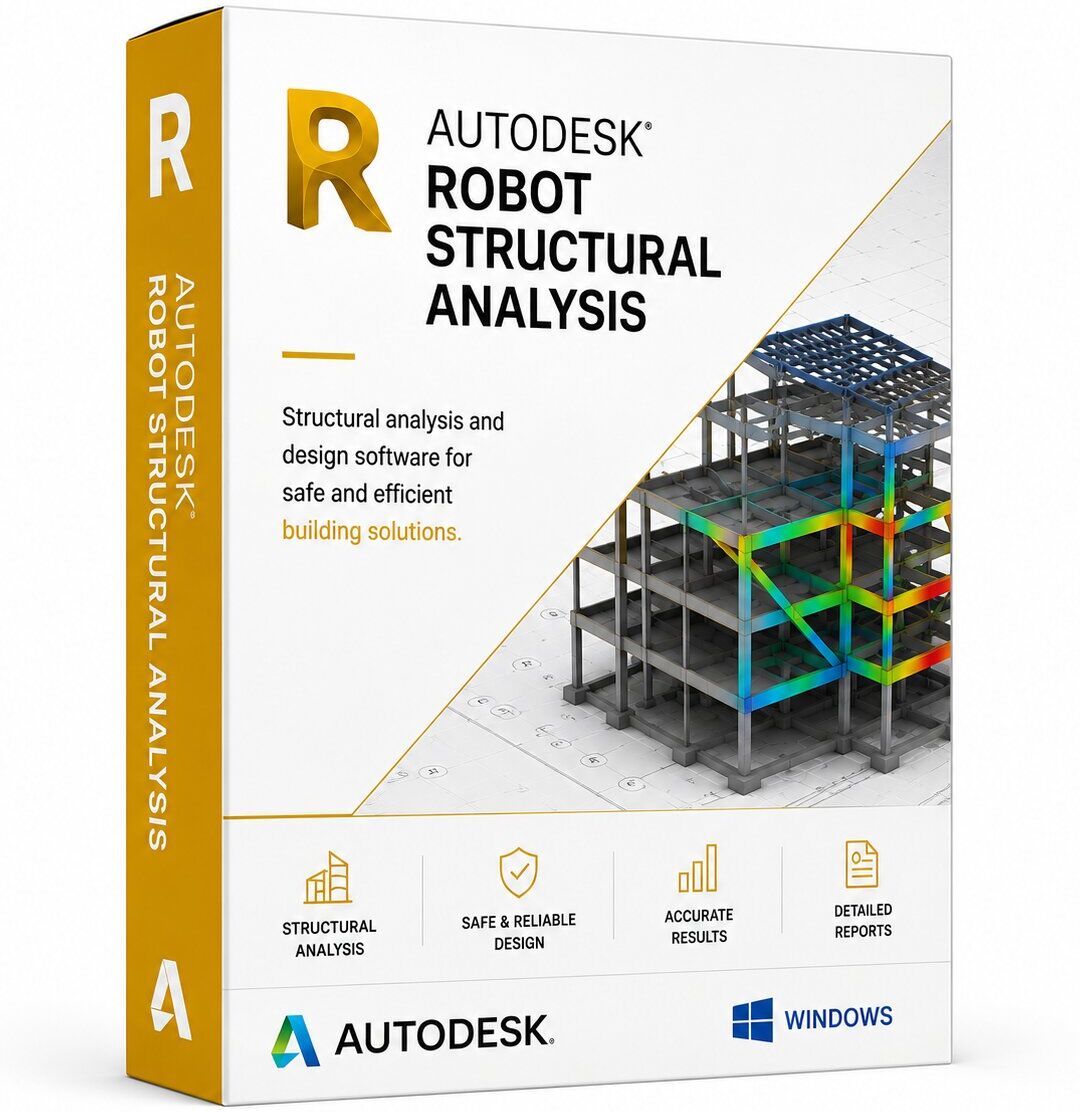
AUTODESK ROBOT STRUCTURAL ANALYSIS 2026AUTODESK ROBOT STRUCTURAL ANALYSIS LIZENZ Original und garantiert von Nextdigitalkey.com Autodesk Robot Structural Analysis Professional ist eine leistungsstarke FEM-Software (Finite-Elemente-Methode) für die statische und dynamische Analyse von Tragwerken. Sie wird von Statikern und Bauingenieuren weltweit zur präzisen Berechnung und Dimensionierung von Gebäuden und Infrastrukturen eingesetzt. Mit Robot Structural Analysis können Sie: - Statische und dynamische Berechnungen für beliebige Tragwerkstypen durchführen - Stahl-, Beton- und Holzstrukturen nach internationalen Normen (EN, AISC, etc.) bemessen - Nahtlos mit Revit und AutoCAD zusammenarbeiten – dank bidirektionaler BIM-Integration - Erdbeben-, Wind- und Schneelasten nach aktuellen Normen automatisch generieren - Detaillierte Bemessungsberichte und Werkstattzeichnungen exportieren Warum Robot Structural Analysis? Robot bietet eine vollständige Lösung für Tragwerksplanung – von der Modellierung bis zur Norm-konformen Bemessung – und spart durch die enge Revit-Integration erheblich Zeit bei Planungsänderungen. Lizenzinformationen: - Zugang: Vollständig - Sprache: Mehrsprachig - Geräte: 1 - Betriebssystem: Windows - Lizenztyp: Dauerhaft (ohne Ablaufdatum) Was Sie nach dem Kauf erhalten: - Offizieller Produktschlüssel - Downloadlink zur offiziellen Autodesk-Webseite - Installationsanleitung auf Deutsch Download: Der Download erfolgt direkt über die offizielle Autodesk-Webseite. Preis und Legalität: Unsere Lizenzen stammen aus dem Wiederverkauf entbundener Einzelhandelslizenzen gemäß dem Urteil des Europäischen Gerichtshofs (C-128/2011). Alle Lizenzen sind original, digital (ESD), sofort verfügbar und beliebig oft auf demselben Gerät installierbar. Support: Technischer Support rund um die Uhr per Fernzugriff – auch an Wochenenden und Feiertagen verfügbar.89,95 £*Shipping: 0,00 £Secure redirect to the provider
-
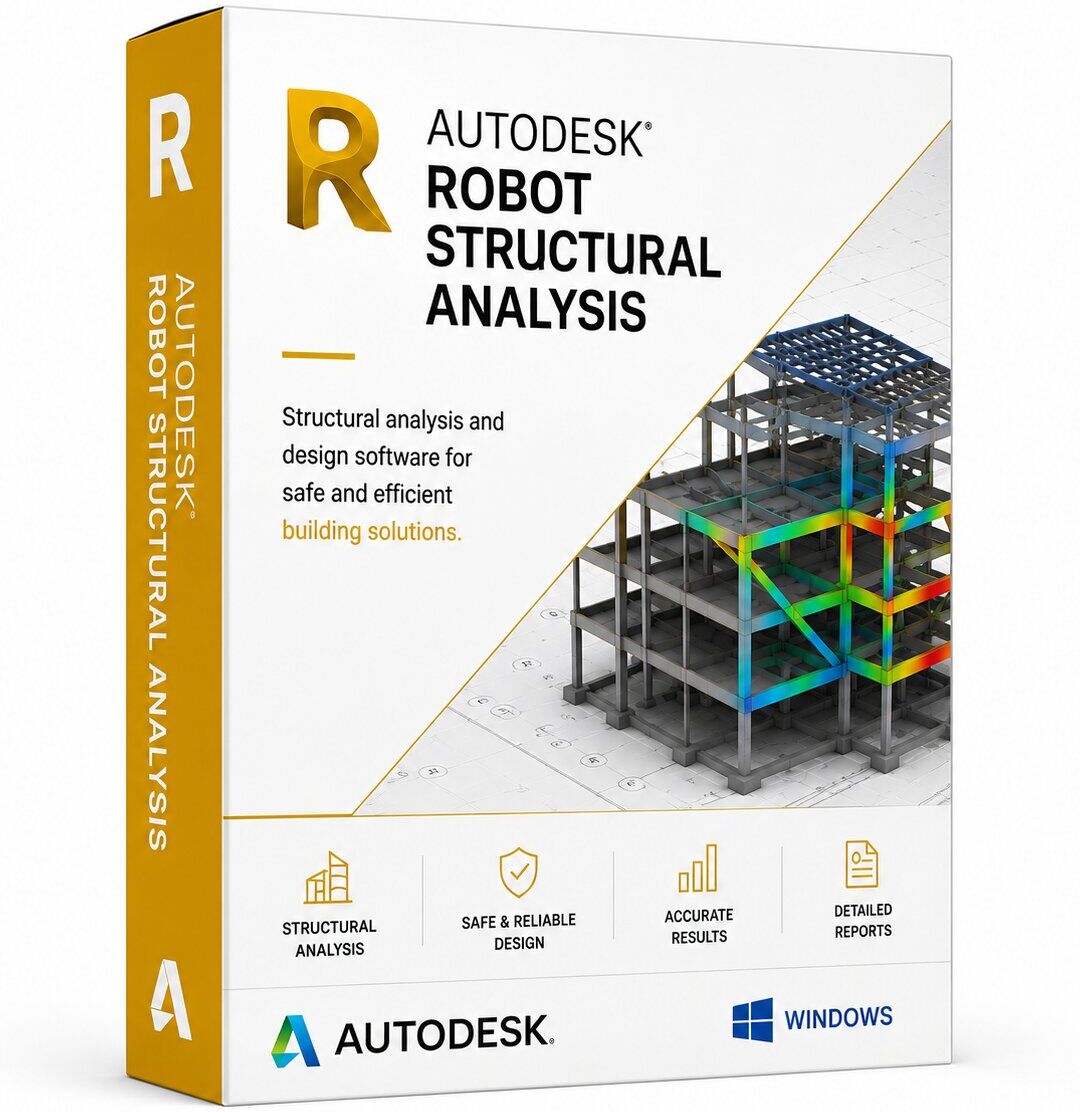
AUTODESK ROBOT STRUCTURAL ANALYSIS 2025AUTODESK ROBOT STRUCTURAL ANALYSIS LIZENZ Original und garantiert von Nextdigitalkey.com Autodesk Robot Structural Analysis Professional ist eine leistungsstarke FEM-Software (Finite-Elemente-Methode) für die statische und dynamische Analyse von Tragwerken. Sie wird von Statikern und Bauingenieuren weltweit zur präzisen Berechnung und Dimensionierung von Gebäuden und Infrastrukturen eingesetzt. Mit Robot Structural Analysis können Sie: - Statische und dynamische Berechnungen für beliebige Tragwerkstypen durchführen - Stahl-, Beton- und Holzstrukturen nach internationalen Normen (EN, AISC, etc.) bemessen - Nahtlos mit Revit und AutoCAD zusammenarbeiten – dank bidirektionaler BIM-Integration - Erdbeben-, Wind- und Schneelasten nach aktuellen Normen automatisch generieren - Detaillierte Bemessungsberichte und Werkstattzeichnungen exportieren Warum Robot Structural Analysis? Robot bietet eine vollständige Lösung für Tragwerksplanung – von der Modellierung bis zur Norm-konformen Bemessung – und spart durch die enge Revit-Integration erheblich Zeit bei Planungsänderungen. Lizenzinformationen: - Zugang: Vollständig - Sprache: Mehrsprachig - Geräte: 1 - Betriebssystem: Windows - Lizenztyp: Dauerhaft (ohne Ablaufdatum) Was Sie nach dem Kauf erhalten: - Offizieller Produktschlüssel - Downloadlink zur offiziellen Autodesk-Webseite - Installationsanleitung auf Deutsch Download: Der Download erfolgt direkt über die offizielle Autodesk-Webseite. Preis und Legalität: Unsere Lizenzen stammen aus dem Wiederverkauf entbundener Einzelhandelslizenzen gemäß dem Urteil des Europäischen Gerichtshofs (C-128/2011). Alle Lizenzen sind original, digital (ESD), sofort verfügbar und beliebig oft auf demselben Gerät installierbar. Support: Technischer Support rund um die Uhr per Fernzugriff – auch an Wochenenden und Feiertagen verfügbar.69,95 £*Shipping: 0,00 £Secure redirect to the provider
-
What is the difference between phospholipids and triglycerides?
Phospholipids and triglycerides are both types of lipids, but they have different structures and functions. Phospholipids have two fatty acid chains and a phosphate group, which allows them to form cell membranes and act as emulsifiers. Triglycerides, on the other hand, have three fatty acid chains and are used primarily as energy storage molecules. Additionally, triglycerides are hydrophobic, while phospholipids have both hydrophobic and hydrophilic regions, making them amphipathic molecules. **
-
Why do phospholipids have different structures in water?
Phospholipids have different structures in water because of their amphiphilic nature. This means that they have both hydrophilic (water-attracting) and hydrophobic (water-repelling) regions. In water, phospholipids arrange themselves in a bilayer with the hydrophilic heads facing the water and the hydrophobic tails facing each other. This arrangement allows phospholipids to form cell membranes and other structures that are essential for the functioning of living organisms. The different structures of phospholipids in water allow them to fulfill their roles in maintaining the integrity and function of biological membranes. **
-
How do phospholipids from plant and animal sources differ?
Phospholipids from plant and animal sources differ in their fatty acid composition. Plant phospholipids typically contain higher levels of unsaturated fatty acids, such as linoleic and linolenic acids, while animal phospholipids contain higher levels of saturated fatty acids, such as palmitic and stearic acids. This difference in fatty acid composition can affect the physical properties of the phospholipids, such as their fluidity and melting point. Additionally, plant phospholipids may also contain unique fatty acids, such as alpha-linolenic acid, which are not typically found in animal phospholipids. **
-
In the double layer of phospholipids, what fluid is present?
In the double layer of phospholipids, the fluid present is known as the lipid bilayer. This lipid bilayer is composed of two layers of phospholoids, with the hydrophilic (water-attracting) heads facing outward and the hydrophobic (water-repelling) tails facing inward. This arrangement creates a fluid and flexible barrier that surrounds the cell and regulates the movement of molecules in and out of the cell. The fluidity of the lipid bilayer allows for the dynamic movement of proteins and other molecules within the cell membrane. **
* All prices are inclusive of VAT and, if applicable, plus shipping costs. The offer information is based on the details provided by the respective shop and is updated through automated processes. Real-time updates do not occur, so deviations can occur in individual cases. ** Note: Parts of this content were created by AI.